
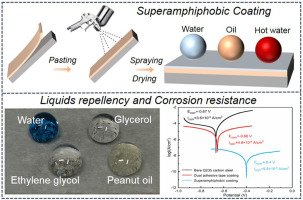
Self-cleaning street lights powered by sustainable palm oil represent an innovative step toward smarter and greener urban infrastructure. By combining hydrophobic surface technology with renewable biofuel energy, these systems reduce maintenance costs, improve lighting efficiency, and lower environmental impact. While palm oil production poses ecological challenges, responsibly sourced biofuel can support cleaner energy transitions. This fusion of smart materials and sustainable power offers a promising future for safer, cost-effective, and environmentally conscious city lighting.
Imagine walking down a city street illuminated by bright, clean light fixtures that not only brighten your path but also take care of themselves. Welcome to the future of urban lighting: self-cleaning street lights. These innovative systems are designed to maintain optimal performance while reducing maintenance costs and environmental impact. With sustainability becoming increasingly vital in our daily lives, it’s time to explore how these smart solutions can reshape our urban landscapes and enhance the quality of life for all residents. But there’s more—what if these self-cleaning wonders could harness the power of palm oil? Let’s dive in and uncover this exciting intersection between technology and sustainability!
The Impact of Palm Oil on the Environment
Palm oil production is a significant driver of deforestation, particularly in tropical regions. Vast areas of rainforest are cleared to make way for palm plantations. This destruction leads to the loss of biodiversity, threatening countless species with extinction.
The environmental impact doesn’t stop there. The clearing process releases large amounts of carbon dioxide into the atmosphere, contributing to climate change. Soil erosion becomes rampant due to the removal of trees that stabilize the land.
Moreover, palm oil farming often involves harmful practices like slash-and-burn techniques. These methods not only pollute air quality but also endanger nearby communities’ health and livelihoods.
As demand for palm oil continues to rise globally, its effects amplify across ecosystems and local populations alike. Sustainable alternatives are needed urgently to minimize these impacts while still meeting industry needs.
The Role of Street Lights in Urban Areas
Street lights serve as the backbone of urban safety and functionality. They illuminate pathways, ensuring pedestrians can navigate city streets with confidence. Their presence diminishes the risk of accidents, making night-time travel far less daunting.
Moreover, street lights contribute to a sense of community. Well-lit environments foster social interactions and promote outdoor activities after dark. This visibility helps deter crime by eliminating shadowy corners where mischief might occur.
Beyond safety and social engagement, these fixtures enhance the aesthetic appeal of neighborhoods. Thoughtfully designed lighting creates inviting atmospheres that reflect a city’s identity and charm.
Additionally, effective street lighting plays a crucial part in urban planning. It influences traffic patterns and encourages responsible driving behaviors while promoting sustainable energy use through innovations like solar-powered systems or self-cleaning technologies powered by renewable resources like palm oil.
The Solution: Self-Cleaning Street Lights Powered by Palm Oil
Imagine street lights that not only illuminate our roads but also clean themselves. This innovative concept is becoming a reality with self-cleaning street lights powered by palm oil.
These advanced fixtures utilize energy derived from palm oil to drive their cleaning mechanisms. The unique design incorporates a special coating that repels dirt and grime, allowing rainwater to wash away contaminants effortlessly.
Harnessing the power of palm oil addresses two pressing issues: urban lighting maintenance and environmental sustainability. By integrating renewable resources into city infrastructure, these self-cleaning lights minimize manual labor while promoting greener energy solutions.
As cities grow larger, the need for efficient maintenance becomes critical. Self-cleaning street lights deliver reliability without compromising on performance or aesthetic appeal in bustling urban landscapes.
Benefits of Using Palm Oil in Self-Cleaning Street Lights
Using palm oil in self-cleaning street lights presents several important advantages. First, palm oil is a renewable resource. This means that it can be produced sustainably, reducing dependency on fossil fuels.
Moreover, palm oil has excellent properties for energy production. Its high calorific value translates into efficient energy generation for powering innovative technologies like self-cleaning mechanisms.
Additionally, integrating palm oil into this technology promotes local economies. By sourcing from sustainable plantations, communities benefit economically while supporting environmentally friendly practices.
Another significant aspect is the reduction of urban maintenance costs. Self-cleaning street lights minimize the need for frequent cleaning services, saving money and resources over time.
These innovations contribute to cleaner urban environments. With less grime and dirt accumulation on light fixtures, cities maintain better visibility and aesthetics without extensive manual labor.
Challenges and Solutions for Implementing this Technology
Implementing self-cleaning street lights powered by palm oil presents unique challenges. One of the primary concerns is the sourcing of sustainable palm oil. With deforestation and habitat destruction linked to unsustainable practices, finding ethically sourced materials can be complicated.
Another challenge lies in public perception. Many communities may not understand how these innovations work or their environmental benefits. Educating residents about the technology’s advantages is essential for gaining support.
Technical hurdles also exist; integrating solar technology with self-cleaning features requires advanced engineering solutions. Manufacturers must ensure that components are durable enough to withstand various weather conditions while maintaining efficiency.
Collaboration with local governments can bridge some gaps, fostering community engagement and investment in research initiatives. By working together, stakeholders can address logistical barriers and create a roadmap for successful implementation without compromising environmental integrity.
Conclusion
The emergence of self-cleaning street lights powered by palm oil presents a remarkable intersection of technology and sustainability. As urban areas continue to grow, the need for efficient lighting solutions becomes increasingly critical. Traditional street lights require regular maintenance, leading to higher costs and increased environmental impact.
Self-cleaning street lights offer a promising solution by utilizing innovative materials that repel dirt and grime. When powered by palm oil, these systems can also tap into renewable energy sources while reducing reliance on fossil fuels. This dual benefit not only enhances the functionality of street lights but also aligns with global efforts toward cleaner energy practices.
Despite potential challenges in implementing this technology—such as sourcing sustainable palm oil or addressing public concerns—solutions are within reach. By prioritizing ethical production methods and investing in research, cities can pave the way for smarter infrastructure.
As communities embrace greener initiatives, self-cleaning street light systems fueled by palm oil stand out as a viable option for enhancing urban living without compromising environmental integrity. The future looks bright with such innovations leading the charge towards more sustainable cityscapes.