
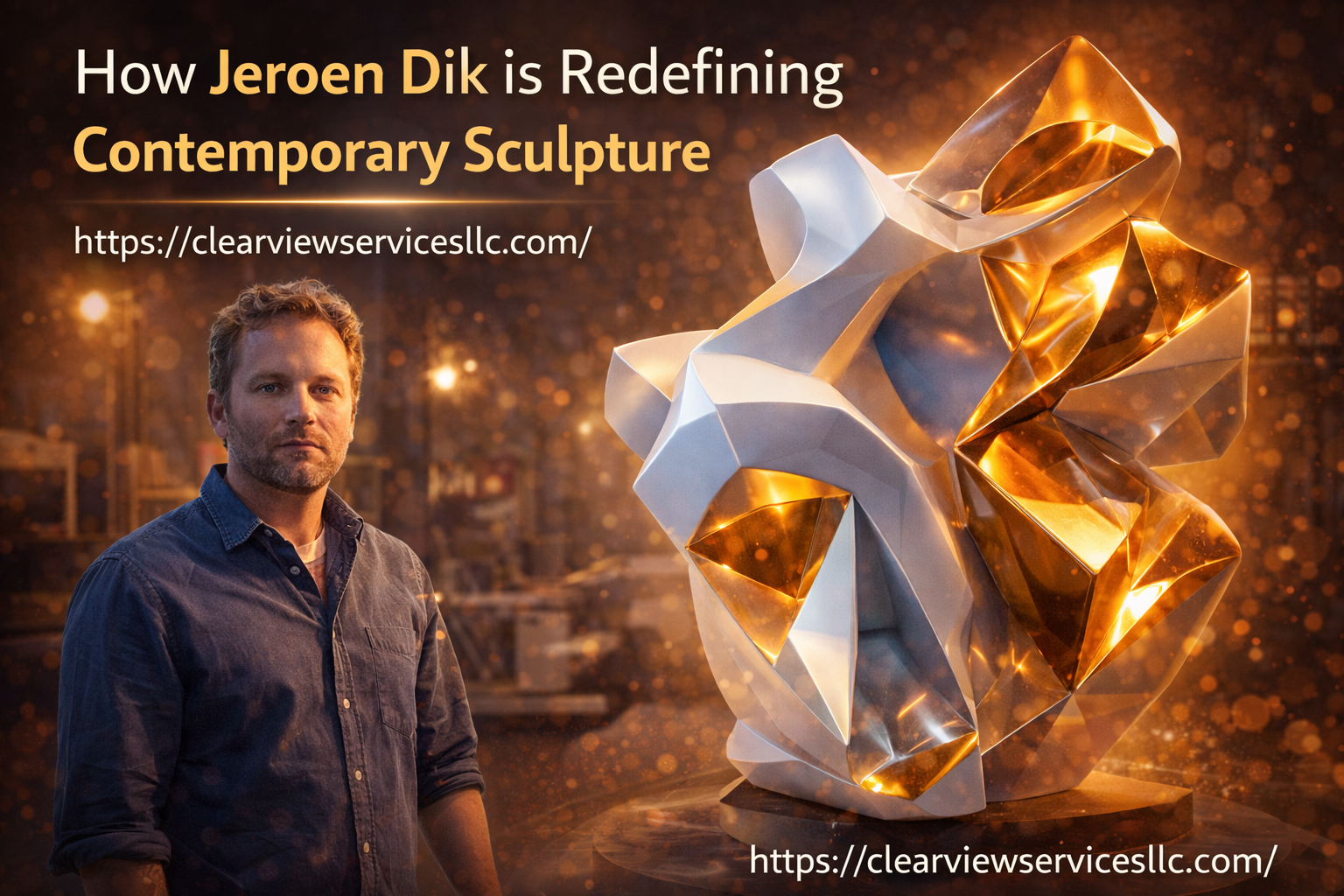
Introduction to Jeroen Dik and his work
Jeroen Dik is a name that’s quickly becoming synonymous with innovation in the world of contemporary sculpture. Known for his ability to blend traditional techniques with modern ideas, he challenges the conventions of what sculpture can be. His work captivates audiences and ignites conversations around art’s evolving landscape. With each piece, Jeroen invites us to explore not just the sculptures themselves but also the thoughts and emotions they elicit.
As we delve into his artistic journey, we’ll uncover how he’s redefining contemporary sculpture while pushing boundaries and inspiring others in this dynamic field. Whether you’re an art aficionado or just looking to appreciate something fresh and thought-provoking, Jeroen Dik’s creations are sure to leave a lasting impression.
Traditional vs. Contemporary Sculpture
Traditional sculpture often draws from historical techniques and timeless subjects. Think marble, bronze, and stone—materials that have stood the test of time. Artists in this realm focus on realism, embodying human forms or mythological figures with incredible precision.
Contemporary sculpture takes a different route. It embraces innovation and experimentation. The use of mixed media allows artists to explore concepts beyond physical representation. Jeroen Dik is a prime example of this shift, merging traditional aesthetics with modern ideas.
In contemporary works, abstraction reigns supreme. Sculptures may challenge perceptions or provoke thought rather than simply please the eye. This freedom invites audiences into deeper conversations about society, identity, and existence itself.
The materials used can range from recycled objects to digital components. Each piece tells its own story while breaking boundaries set by previous generations.
The Inspiration Behind Jeroen Dik’s Art
Jeroen Dik draws inspiration from the world around him. Nature, urban landscapes, and human emotions all play a vital role in shaping his artistic vision. He has an eye for detail that allows him to capture fleeting moments.
His sculptures often echo themes of transformation and metamorphosis. This reflects not only the physical changes in materials he uses but also deeper philosophical ideas about life.
Dik is influenced by classic art forms yet manages to infuse modernity into every piece. His work acts as a bridge between past traditions and contemporary issues.
He finds beauty in imperfections, seeking out the raw essence of his subjects. Each sculpture tells its own story while inviting viewers to engage with their interpretations.
Through his creations, Jeroen Dik challenges us to reflect on our surroundings and question our perceptions of reality.
Techniques and Materials Used in His Sculptures
Jeroen Dik’s sculptures are a fascinating blend of innovation and tradition. He skillfully combines materials like bronze, resin, and wood to create captivating pieces that engage the viewer on multiple levels. Each material is chosen for its unique properties and how they contribute to the overall aesthetic.
His techniques often involve intricate carving, layering, and casting processes that elevate his work beyond mere representation. By experimenting with textures and finishes, he invites an interactive experience; light plays across surfaces in unexpected ways.
Dik also embraces modern technology in his process. 3D printing allows him to explore complex shapes that traditional methods may limit. This fusion of old-world craftsmanship with contemporary tools showcases a commitment to evolution within sculpture.
Through these diverse techniques and materials, Jeroen Dik opens up new dialogues about form, meaning, and perception in art today.
Impact of Technology on Contemporary Sculpture
Technology has transformed the landscape of contemporary sculpture in remarkable ways. Artists like Jeroen Dik embrace digital tools to expand their creative horizons.
3D printing, for instance, allows sculptors to craft intricate designs that would be impossible by hand. This innovation opens up new possibilities for experimentation with form and structure.
Digital modeling software also plays a crucial role. It enables artists to visualize concepts before committing materials, streamlining the creative process.
Moreover, technology facilitates collaboration across disciplines. Sculptors can now work alongside engineers and programmers to create interactive installations that engage viewers on multiple levels.
The integration of augmented reality offers yet another dimension. Audiences can experience sculptures in immersive environments, altering perceptions of art entirely.
As these advancements continue to evolve, they challenge traditional notions of sculpture and redefine what it means to create in three dimensions today.
Exhibitions and Recognition of Jeroen Dik’s Work
Jeroen Dik’s sculptures have graced numerous prestigious exhibitions worldwide. His work invites viewers into a dialogue with contemporary issues through innovative forms.
In galleries across Europe and beyond, his pieces challenge traditional perceptions of sculpture. Each exhibit showcases not only his artistic vision but also the evolving nature of art itself.
Art critics and enthusiasts alike have recognized Jeroen for pushing boundaries. His unique approach has earned him accolades that affirm his status in the contemporary art scene.
Installations at prominent venues often spark conversations about society, identity, and technology. This engagement extends beyond aesthetics; it resonates deeply with audiences from diverse backgrounds.
Through solo shows and collaborative projects, Jeroen continues to leave an indelible mark on the art world. His recognition is a testament to both talent and tireless dedication to craft.
Future of Contemporary Sculpture with Artists Like Jeroen Dik
The future of contemporary sculpture is bright, especially with artists like Jeroen Dik leading the charge. His innovative approach pushes boundaries and invites audiences to engage in new ways.
As technology evolves, sculptors will continue to explore unique materials and techniques. Artists like Jeroen are at the forefront of this movement, blending traditional craftsmanship with modern influences.
Dik’s work challenges perceptions and encourages dialogue about art’s role in society. His sculptures provoke thought while also embracing aesthetics that resonate deeply with viewers.
Emerging talents inspired by Jeroen’s vision may redefine what sculpture means in years to come. Their creativity can pave pathways for diverse expressions, ensuring the medium thrives amid changing times.
By fostering collaboration among artists across disciplines, we can anticipate a vibrant landscape where contemporary sculpture flourishes endlessly. The journey ahead promises exploration and innovation beyond imagination.
Conclusion
Jeroen Dik stands at the forefront of contemporary sculpture, redefining how we perceive and interact with three-dimensional art. His work challenges traditional boundaries, incorporating innovative techniques that resonate with modern audiences. The materials he employs breathe new life into his sculptures, allowing for an intriguing exploration of texture and form.
As technology continues to evolve, so too does the landscape of sculpture. Artists like Jeroen Dik are embracing these advancements, pushing creative limits and inviting viewers to engage in fresh conversations about art’s role in society today.
With a growing recognition through exhibitions worldwide, Jeroen Dik is not just making waves; he is paving the way for future artists. His unique approach encourages others to think outside conventional frameworks while remaining deeply rooted in artistic expression.
The journey of contemporary sculpture is vibrant and ever-changing thanks to thinkers like Jeroen Dik who dare to explore uncharted territories within their craft. Each piece tells a story—a narrative that invites us all to ponder our place within it as spectators or participants alike.